Women in the Trades
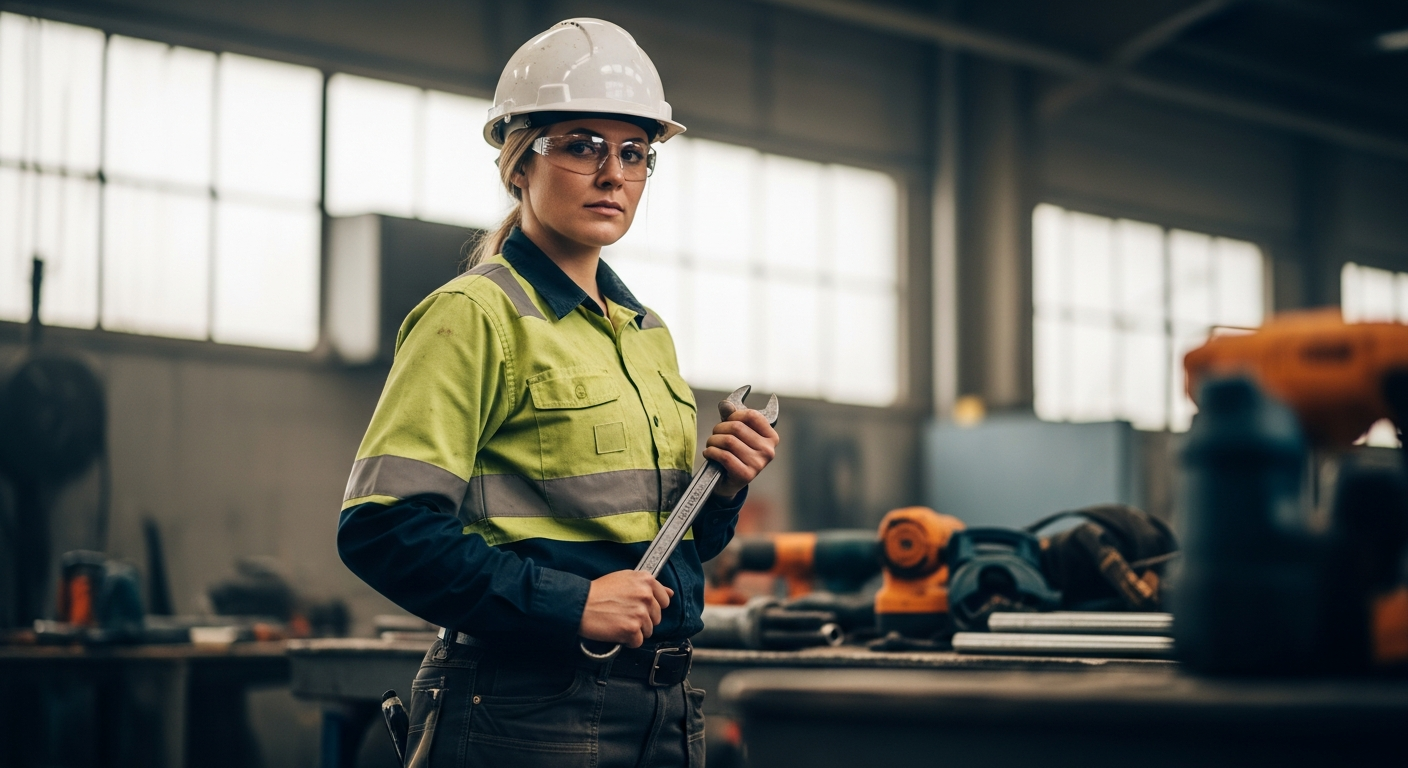
A real, growing career option for young women that offers high pay and clear advancement, even if it's rarely presented as a path in high school.
Where Things Stand
Nationally, women make up approximately 4.3% of the skilled trades workforce. While that number might sound small, it represents real progress—up from under 3% a decade ago. The reality is that representation varies significantly depending on the specific trade you choose.
For example, women make up more than 10% of painters and paperhangers, marking the highest share among the skilled trades. Meanwhile, in deeply technical fields like electrical work, plumbing, and pipefitting, female representation typically remains under 3%. The numbers are growing as more women discover the financial stability and independence these careers offer, but you will often still be one of the few women on a jobsite.
What to Know Before You Start
Jobsite culture is straightforward and often blunt. Being one of the few women on a crew is still common in many trades, which means finding employers, foremen, and union locals that are genuinely supportive of your development is crucial. The work environment focuses on results, reliability, and safety above all else.
It is also important to understand that the physical demands of the job are the same regardless of gender. You will be expected to carry your weight, master the use of heavy tools, and handle the physical rigor of the trade. Success comes down to your work ethic, your willingness to learn, and your ability to work safely and efficiently as part of a team.
Pay Works the Same
One of the most significant advantages of the skilled trades is pay transparency. Union scale wages and most posted trade wages are strictly role-based, not gender-based. If you are a first-year apprentice, you make the exact same hourly rate as every other first-year apprentice in your local.
When you journey out, your journeyman card guarantees you the standard journeyman rate. The perceived wage gap doesn't exist in these industries. Compensation is tied directly to your classification, certifications, and hours worked.
PPE & Workwear
Properly-fitted gear is a critical safety requirement, not a fashion choice. Wearing men's gear that is simply sized down can lead to poor mobility, tripping hazards, and improperly positioned safety equipment. For specific guidance on finding durable, trade-appropriate gear designed for women's proportions, visit the Women's Workwear section in our Tools & Gear hub.
Support Organizations & Programs
If you have zero industry connections, pre-apprenticeship programs and professional organizations are often the most reliable on-ramp into the trades. They provide foundational skills, interview prep, and direct pathways into union apprenticeships.
- National Association of Women in Construction (NAWIC): The largest professional organization for women in construction-related fields, featuring over 6,100 members across 119 chapters. They run dedicated mentorship and scholarship programs.
- Chicago Women in Trades: A leading organization providing pre-apprenticeship preparation and strong advocacy for women entering blue-collar careers.
- Tradeswomen Inc.: Based in the Bay Area but with national reach, they offer extensive pre-apprenticeship prep and support networks.
- Oregon Tradeswomen: A regional powerhouse offering robust pre-apprenticeship training and ongoing support programs to help women succeed in the field.
Real Voices
Video features are coming soon — real stories from women working in the trades today, plus creators worth following in this space.