Ironworker
Erect the structural steel frameworks that hold up high-rises, bridges, and industrial facilities.
Quick Facts
| Metric | Details |
|---|---|
| Median Annual Wage | $62,700* |
| Median Hourly Wage | See state tool |
| Projected Growth (2024–2034) | 4%* |
| Projected Annual Openings | ~7,000/year* |
| Typical Entry Path | 3-4 year union apprenticeship |
| Physical Demands | Very High (heavy lifting, heights, balance, stamina) |
*Source: BLS Occupational Outlook Handbook ("Structural Iron and Steel Workers", accessed July 2026).
Find Trade Info in Your State →Day in the Life
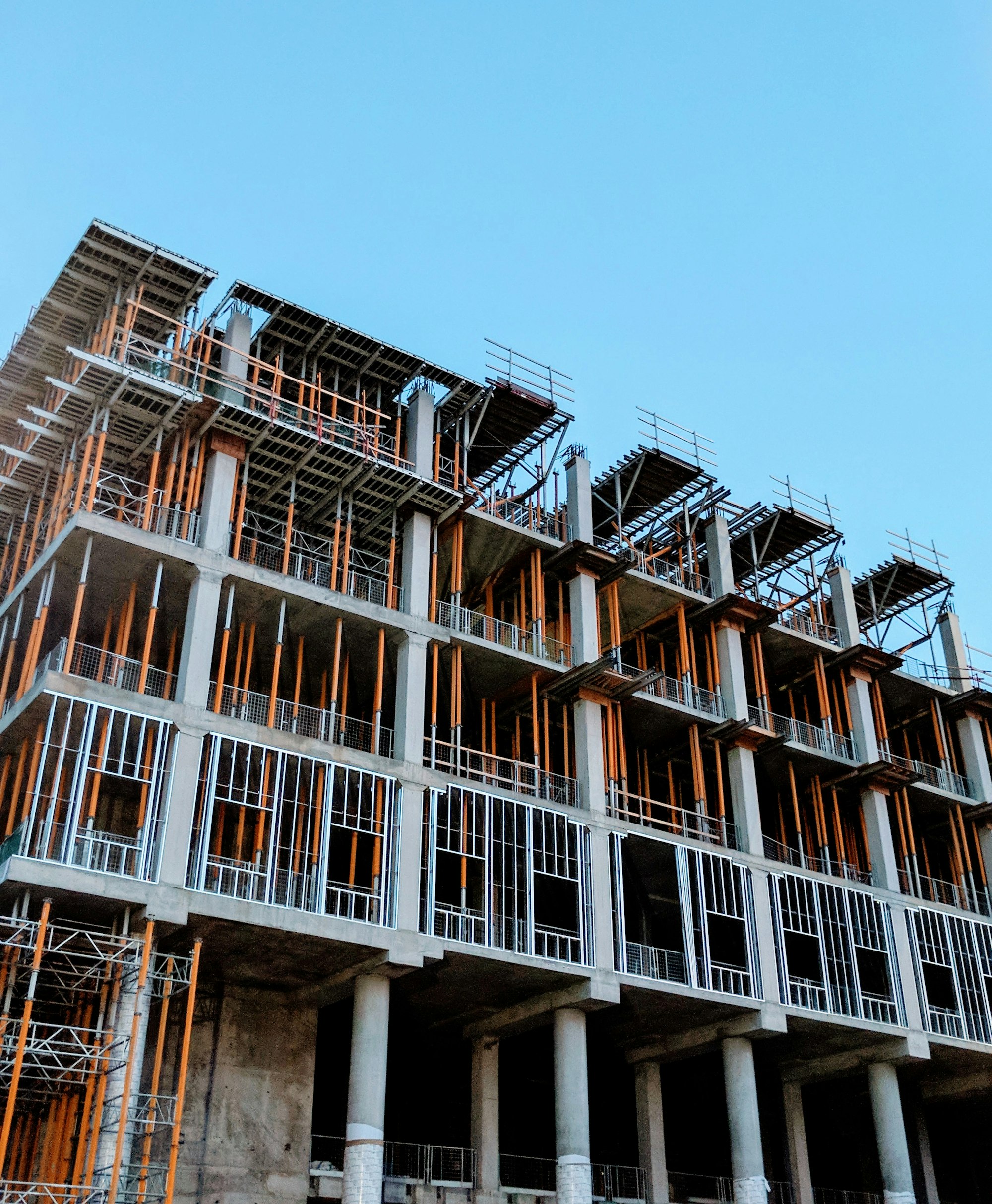
Ironworkers are the backbone of commercial and industrial construction. A typical day involves erecting the structural steel frameworks for high-rises, bridges, stadiums, and industrial plants. You might start the morning reviewing blueprints, then move on to rigging heavy steel beams to be hoisted by a crane. Once the steel is in place, you are responsible for connecting, aligning, and bolting or welding it securely, often working at significant heights.
The work is physically demanding and requires a strong stomach for heights and excellent balance. Beyond structural steel, ironworkers also install rebar (reinforcing steel) in concrete forms, set ornamental ironwork like staircases and railings, and perform heavy rigging. Because the work is outdoors, you are exposed to the elements year-round. It is a high-risk, high-reward trade that demands strict adherence to safety protocols and teamwork.
The Career Ladder
Pre-apprentice / Helper
Entry-level role focused on fetching tools, handling materials, and learning basic safety and rigging on the ground.
Apprentice
A 3-4 year structured program combining paid on-the-job training with classroom instruction in reading blueprints, welding, and safety.
Journeyman
A fully qualified ironworker. (Note: Ironworking does not use a state-issued journeyman license system like plumbing; status is based on apprenticeship completion and union/employer recognition).
Master
There is no formal state master tier in ironworking. Advancement relies on specialized certifications (welding, rigging, OSHA) and experience.
Foreman / Lead
Manages a crew of ironworkers on site, ensuring safety, quality, and adherence to the project schedule.
Project Manager / Superintendent
Oversees entire steel erection projects, coordinating with general contractors, engineers, and other trades.
How to Get Started
Meet the basic requirements
You typically need a high school diploma or GED, a valid driver's license, and the ability to pass a drug screen and physical stamina test.
Research local union programs
The Ironworkers union is the primary pathway into this trade. Look up the local chapter in your area to find out when they accept apprenticeship applications.
Prepare for the aptitude test
Union apprenticeships generally require passing a basic math and reading aptitude test. Brush up on fractions, decimals, and basic geometry.
Apply for an apprenticeship
Submit your application. If you score well on the aptitude test, you will be called for an interview with the apprenticeship committee.
Complete your training
Work full-time earning a progressing wage while attending classes (often evenings or weekends) for 3-4 years to reach journeyman status.
Earn specialized certifications
As you progress, earning certifications in welding (AWS), rigging, and safety (OSHA 30) will make you more employable and valuable.
Union vs. Non-Union
Ironworking is heavily unionized, especially in major commercial, industrial, and infrastructure projects. While non-union (open shop) work exists, particularly in residential or light commercial construction, the union pathway is the standard for accessing large-scale structural work and comprehensive training.
Apprenticeship
Union:
Highly structured, standardized 3-4 year program.
Non-Union:
Varies by employer; often less formal on-the-job training.
Wages
Union:
Standardized scale negotiated by the local union.
Non-Union:
Negotiated individually; often lower base pay.
Benefits
Union:
Comprehensive health, pension, and annuity paid by contractors.
Non-Union:
Varies widely; may require employee contributions.
Job Placement
Union:
Dispatched to contractors through the union hall.
Non-Union:
You must find and apply for jobs yourself.
Mobility
Union:
Can travel as a "boomer" to work in other union jurisdictions.
Non-Union:
Tied to specific employers; traveling is less streamlined.
| Feature | Union (Ironworkers) | Non-Union (Open Shop) |
|---|---|---|
| Apprenticeship | Highly structured, standardized 3-4 year program. | Varies by employer; often less formal on-the-job training. |
| Wages | Standardized scale negotiated by the local union. | Negotiated individually; often lower base pay. |
| Benefits | Comprehensive health, pension, and annuity paid by contractors. | Varies widely; may require employee contributions. |
| Job Placement | Dispatched to contractors through the union hall. | You must find and apply for jobs yourself. |
| Mobility | Can travel as a "boomer" to work in other union jurisdictions. | Tied to specific employers; traveling is less streamlined. |
When comparing offers, remember that total compensation includes pension, health coverage, and training costs, not just the hourly wage on your check.
Tools & Safety Gear
Starter Toolkit
- • Spud wrench (for aligning bolt holes)
- • Sleever bar
- • 25-foot or 30-foot tape measure
- • Heavy-duty tool belt/harness setup
- • Bull pin
- • 4-pound connecting hammer
Required Safety Gear
- • ANSI-rated hard hat
- • Fall protection harness and lanyards
- • Steel or composite toe work boots (flat sole often preferred for walking steel)
- • Heavy leather work gloves
- • Safety glasses
- • Welding hood and leathers (when welding)
Gear links may be affiliate links, disclosure applies. We only recommend what we'd tell a real apprentice to buy.
View the full Tools & Gear guide →Training & Schools
For ironworking, a union apprenticeship is overwhelmingly the most common and respected entry path, as it provides the specialized safety training and hands-on experience required for this high-risk trade. While some trade schools offer basic welding or structural courses, they cannot replace the on-the-job rigging and erection experience gained through an apprenticeship.
Women in the Trades
Ironworking is historically male-dominated and one of the most physically demanding trades, but women are successfully building careers as ironworkers, welders, and riggers. The Ironworkers union has been actively working to increase female representation through targeted pre-apprenticeship programs and improved maternity policies.
Explore resources for women in the trades →Pros & Cons
Pros
- ✓ High pay and excellent union benefits
- ✓ Visible, monumental results (building skylines)
- ✓ Strong sense of brotherhood/camaraderie on crews
- ✓ Keeps you physically fit and active
Cons
- ✗ Extreme physical toll on the body over time
- ✗ High-risk environment (heights, heavy loads)
- ✗ Work is highly dependent on weather conditions
- ✗ Can involve significant travel to different job sites
Related Trades
If ironworking interests you, also consider: Welder, Millwright, Carpenter, Pipefitter/Steamfitter, or Heavy Equipment Operator.
Safety Disclaimer
GetInTheTrades.com is an informational career resource. Ironworking work can be dangerous and may require licensing, permits, code compliance, and supervised training. Do not attempt professional ironworking work without proper instruction, safety equipment, and licensed supervision where required.
Sources
- Bureau of Labor Statistics, U.S. Department of Labor, Occupational Outlook Handbook, Structural Iron and Steel Workers. (May 2024 data, accessed July 5, 2026).
Ready to take the next step?
Stop researching and start building. Find the right path for your career.
Start Your Path →